
The Good Stuff
What do you do with a Tuesday?
From volunteering to local clubs, these are the everyday moments that make a place feel like home.
Lifestyle
Where to go, how to plan and what to expect for a warmer, longer winter, whether you head south or simply pick the mildest corner of the country.
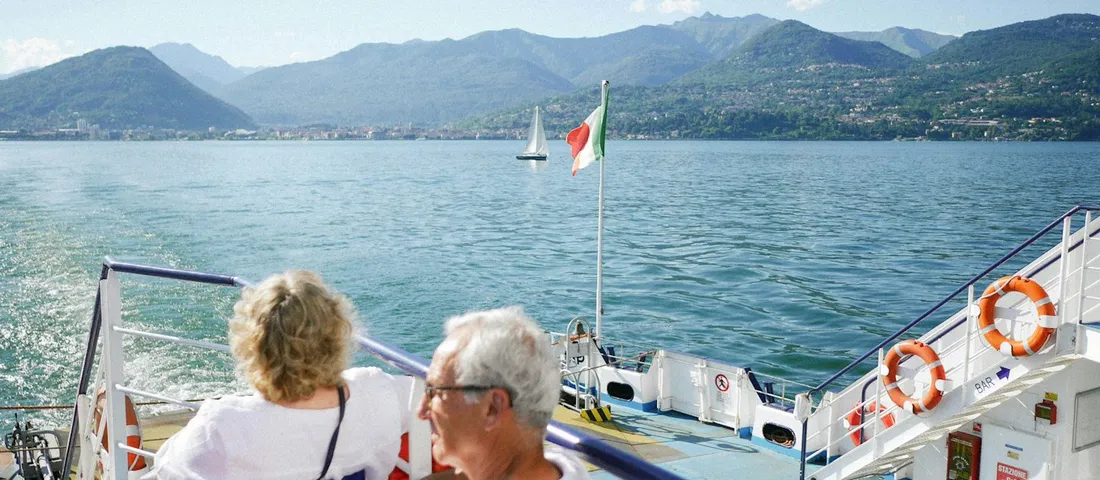
The classic snowbird leaves for the season and comes home in spring. The other kind never leaves the country at all: they live somewhere with a gentler winter and let everyone else shovel.
The difference in Canada is bigger than most people expect. Victoria’s January average is about 5.8 °C, and it gets roughly 26 cm of snow a year. Winnipeg’s January average is −16.3 °C and Saskatoon’s is −14.3 °C (Environment and Climate Change Canada normals, as published for each city). Neither approach is better. They solve the same problem at very different costs.
Before you book anything, look at your provincial health plan. Most provinces set a minimum number of days you must spend in the province each year to stay covered, and the number differs from province to province. Spend too long away and your coverage can be affected.
Public plans also pay for very little of what you might need abroad. Travel medical insurance is the norm for anyone who leaves for a season, and the terms matter: read the rules on pre-existing conditions, what counts as a stable condition, and how long each trip can last. Ask before you go, not after a claim.
Every country sets its own limits on how long a visitor can stay, and some also ask longer-term visitors to register or count the days for tax purposes. These rules have changed in recent years, so check the current guidance from the government of the country you are visiting rather than relying on a neighbour’s memory.
If you plan to spend months a year abroad, a conversation with a cross-border tax adviser is inexpensive compared with getting it wrong. Keep a simple log of the days you spend in each place. You will be glad of it.
An empty house in January needs a plan. Decide who will check it and how often, what happens to the heat, whether the water should be shut off, and who clears the snow and the mail.
Insurance
Many home policies limit cover if a home is unoccupied for an extended period. Tell your insurer how long you will be away and ask what it requires.
Heat and water
Frozen pipes are the expensive surprise. Ask a plumber or your insurer what they recommend for your house.
A local contact
One person with a key, a phone number and permission to call someone if something goes wrong.
Mail, bills and alerts
Redirect what you can, automate payments, and make sure the alarm company has a second number.
Rent for a month before you buy anything, and go in the middle of the season rather than at the edges. The place that feels wonderful in November can feel quiet in February, and the reverse happens too.
If the idea is to stay in Canada and simply winter more gently, start with the communities on the south coast of British Columbia. Victoria is the one we have researched in full, and its guide is a good place to see what a mild-winter routine looks like day to day.
The Good Stuff
From volunteering to local clubs, these are the everyday moments that make a place feel like home.
The Good Stuff
Practical ideas for meeting people and building a sense of belonging.
The Good Stuff
A city with a square of chocolate, custard and crumb named after it. We took the assignment seriously.